

Canada continues to be one of the most popular destinations for international students. The country offers a globally recognized education system, a safe environment, and strong career opportunities after graduation.
Many students planning to study in Canada from Nepal prefer institutions that combine quality education with practical learning and strong career outcomes.
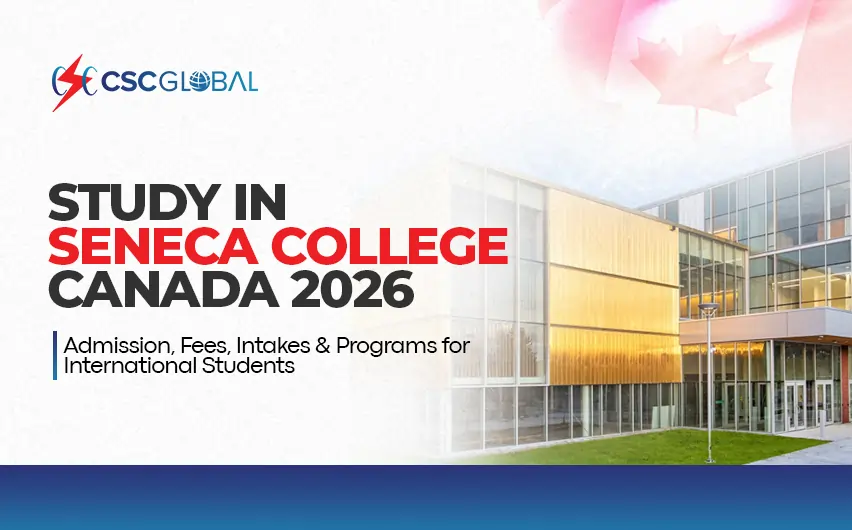
One such institution is Seneca Polytechnic, previously known as Seneca College. The institution is widely recognized for its industry-focused programs, modern facilities, and strong graduate employment outcomes.
Located in Toronto, Seneca offers diploma, advanced diploma, bachelor’s degree, and postgraduate programs. These programs cover fields such as aviation, business, information technology, and creative arts.
This guide explains everything students need to know before planning to study at Seneca Polytechnic in Canada. It includes admission requirements, tuition fees, intakes, scholarships, popular programs, and the Canada student visa process.
Seneca Polytechnic Canada: Basic Information
Before applying, it is important to understand the key facts about Seneca Polytechnic. These details help students make informed decisions about their study plans.
| Feature | Details |
| Institution Name | Seneca Polytechnic |
| Former Name | Seneca College |
| Year Established | 1967 |
| Institution Type | Public Polytechnic |
| Location | Toronto, Ontario, Canada |
| Total Students | 30,000+ |
| International Students | 7,000+ |
| Popular Study Areas | Aviation, Business, IT, Animation |
| Work While Studying | Up to 20 hours per week |
| PGWP Eligibility | Yes |
Seneca Polytechnic focuses on hands-on education and strong industry collaboration. As a result, students develop practical skills that employers value in the job market.
Why Study at Seneca Polytechnic in Canada?
Many students researching the best colleges in Canada choose Seneca because of its career-focused education and strong industry partnerships. In addition, the institution provides practical learning opportunities that prepare students for real careers.
Practical and Career-Focused Programs
Programs are developed in collaboration with industry professionals. Therefore, students gain the skills required in real workplaces and modern industries.
Strong Graduate Employment Outcomes
A large number of graduates find employment within six months after graduation. Moreover, many programs include internships or co-op placements. These opportunities allow students to gain valuable work experience during their studies.
Diverse International Student Community
Students from more than 150 countries study at Seneca. As a result, the campus provides a diverse and inclusive learning environment for international students.
Post-Graduation Work Permit Opportunities
Many programs are eligible for the Post-Graduation Work Permit (PGWP) issued by Immigration authorities in Canada. Consequently, graduates can gain valuable work experience after completing their studies.
Study in Toronto – Canada’s Major Career Hub
Studying in Toronto gives students access to one of the largest job markets in Canada. In addition, the city offers strong opportunities in finance, technology, aviation, and creative industries.
Seneca College Intakes for International Students
Seneca Polytechnic offers three main intakes each year.
| Intake | Month | Application Period | Availability |
| Fall Intake | September | January – May | Most programs available |
| Winter Intake | January | June – September | Good option if fall is missed |
| Summer Intake | May | October – January | Limited program availability |
Best Intake for Students from Nepal
For students planning to study in Canada from Nepal, the Fall intake (September) is usually the best option because:
- The largest number of programs are available
- Students get more time for visa processing
- Accommodation options are easier to find
Students should ideally apply 6-8 months before their preferred intake.
Popular Programs to Study at Seneca Polytechnic
Seneca offers programs/courses across several industries. Below are some popular choices among international students.
Aviation Programs
Seneca is widely recognized in Canada for aviation education.
Aviation Operations
Duration: 2 Years
Estimated Tuition: CAD $17,000 – $18,000 per year
Students learn:
- Airport operations management
- Airline industry regulations
- Aviation safety procedures
- Passenger service operations
Career opportunities include:
- Airport operations coordinator
- Airline operations assistant
- Aviation logistics specialist
Aviation Safety
Duration: 3 Years
Estimated Tuition: CAD $17,000 – $18,000 per year
Key subjects include:
- Aviation risk assessment
- Aircraft safety systems
- Accident investigation
- Regulatory compliance
Graduates often work as aviation safety analysts or inspectors.
Information Technology Programs
Technology programs focus on hands-on projects and real-world problem solving.
Computer Programming
Duration: 2 Years
Estimated Tuition: CAD $18,000 – $19,000 per year
Students study:
- Java and Python programming
- Web application development
- Database design
- Software testing
Career paths include:
- Software developer
- Web developer
- Application programmer
Cybersecurity and Threat Management
Duration: 8 Months
Estimated Tuition: CAD $18,000
Students learn:
- Network security systems
- Ethical hacking techniques
- Digital forensics
- Cyber threat detection
Graduates often work as cybersecurity analysts and IT security specialists.
Bachelor of Technology – Software Development
Duration: 4 Years
Estimated Tuition: CAD $21,000+ per year
Students gain advanced knowledge in:
- Software engineering
- Cloud computing
- Artificial intelligence
- System architecture
Career opportunities include software engineer, systems developer, and IT consultant.
Business Programs
Business programs prepare students for global careers in management and international trade.
Business Administration – International Business
Duration: 3 Years
Estimated Tuition: CAD $17,000 – $18,000
Students learn:
- Global business strategies
- International trade regulations
- Marketing and finance
- Business analytics
Career opportunities include:
- Business analyst
- International trade specialist
- Marketing coordinator
Creative Arts and Animation
Seneca is also well known for its creative media programs.
Advanced Diploma in Animation
Duration: 3 Years
Estimated Tuition: CAD $20,000 – $21,000
Students learn:
- Character animation
- Storyboarding
- Visual effects production
- Game design concepts
Graduates often work in film studios, animation companies, and gaming industries.
Estimated Cost of Studying at Seneca Polytechnic
Students should consider both tuition fees and living expenses while planning to study in Canada.
| Expense | Estimated Cost Per Year |
| Tuition Fees | CAD $17,000 – $21,000 |
| Accommodation | CAD $8,000 – $12,000 |
| Food & Transport | CAD $3,000 – $4,000 |
| Health Insurance | CAD $600 – $900 |
Estimated yearly cost: CAD $28,000 – $35,000
Living costs depend on lifestyle and accommodation type in Toronto.
Scholarships at Seneca Polytechnic for International Students
Seneca provides several financial awards for international students.
Entrance Scholarship
Value: Up to CAD $2,000
Requirements:
- Admission to Seneca Polytechnic
- Enrollment in a full-time program
- Strong academic performance
International Merit Scholarship
Value: CAD $500 – $1,000
Requirements:
- Full-time international student
- Strong GPA during studies
Students are often automatically considered.
Program-Based Scholarships
Some departments offer scholarships for specific programs such as:
- Aviation
- Information Technology
- Business
- Creative Arts
Award amounts typically range between CAD $500 and CAD $1,500.
Admission Requirements for Seneca Polytechnic
Students must meet both academic and English language requirements.
Diploma and Undergraduate Programs
Requirements:
- Completion of Grade 12 or equivalent
- Minimum academic score of 60-65%
Postgraduate Programs
Requirements:
- Bachelor’s degree or diploma
- Relevant academic background
English Language Requirements
The English language requirements are as follows:
| Test | Diploma Programs | Degree / Postgraduate |
| IELTS Academic | 6.0 (no band below 5.5) | 6.5 (no band below 6.0) |
| PTE Academic | 58 | 60 |
| Duolingo | 105 – 110 | 115 – 125 |
Canada Student Visa Process
After receiving admission from Seneca Polytechnic, students must apply for a Canada study permit.
The process generally includes:
- Apply to Seneca Polytechnic
- Receive a Letter of Acceptance (LOA)
- Pay the tuition deposit
- Obtain a Provincial Attestation Letter (PAL)
- Submit the study permit application
Students must also provide:
- Proof of funds
- Medical examination
- Academic transcripts
- Passport and biometrics
Students must follow Canada student visa rules, including maintaining full-time student status.
Work While Studying in Canada
International students are allowed to work while studying in Canada.
Current regulations allow students to:
- Work up to 20 hours per week during academic sessions
- Work full-time during scheduled breaks
Part-time work helps students gain Canadian work experience and support living expenses.
Career Opportunities After Studying at Seneca Polytechnic
Graduates from Seneca Polytechnic find opportunities across several industries:
- Information Technology
- Aviation and Airport Operations
- Business and Marketing
- Digital Media and Animation
Many graduates also gain professional experience through the Post-Graduation Work Permit (PGWP).
Start Your Study in Canada Journey with CSC Global
If you are planning to study in Canada from Nepal, getting the right guidance can make the entire process easier and more successful.
CSC Global supports students with:
- Choosing the right program at Seneca Polytechnic and other top colleges in Canada
- Preparing and submitting college applications
- Document preparation and verification
- Guidance for the Canada student visa process
- Pre-departure counseling for international students
Start your application today with CSC Global and take the first step toward studying in Canada.
Frequently Asked Questions
1. Is Seneca Polytechnic good for international students?
Yes. Seneca Polytechnic offers practical programs, strong industry connections, and modern facilities, making it a popular choice among international students.
2. What is the tuition fee at Seneca Polytechnic?
Tuition fees generally range between CAD $17,000 and CAD $21,000 per year, depending on the program.
3. What IELTS score is required for Seneca Polytechnic?
Most diploma programs require IELTS 6.0, while degree or postgraduate programs usually require IELTS 6.5.
4. Can international students work while studying in Canada?
Yes. Students can work 20 hours per week during academic sessions and full-time during scheduled breaks.
5. Which intake is best for Seneca Polytechnic?
The Fall intake (September) is usually the best option because the largest number of programs are available.
6. How long does the Canada student visa process take?
Processing times vary, but most study permit applications take several weeks to a few months depending on the applicant’s country and documentation.
7. Is Seneca Polytechnic among the best colleges in Canada?
Seneca is considered one of the well-known public polytechnic institutions in Canada because of its career-focused programs and strong employment outcomes.